Just How Respite Care Can Assist Family Members Before a Transfer To Memory Care
@trentongnqk686
November 9, 2026 · 18 min read
Business Name: BeeHive Assisted Living Homes of Rio Rancho NM #1 - Dementia Care & Memory Care
Address: 204 Silent Spring Rd NE, Rio Rancho, NM 87124
Phone: (505) 221-6400
BeeHive Assisted Living Homes of Rio Rancho NM #1 - Dementia Care & Memory Care
BeeHive Assisted Living Homes of Rio Rancho NM #1 - Dementia Care & Memory Care is a premier Rio Rancho Assisted Living facilities and the perfect transition from an independent living facility or environment. Our Alzheimer care in Rio Rancho, NM is designed to be smaller to create a more intimate atmosphere and to provide a family feel while our residents experience exceptional quality care. We promote memory care assisted living with caregivers who are here to help. Memory care assisted living is one of the most specialized types of senior living facilities you'll find. Dementia care assisted living in Rio Rancho NM offers catered memory care services, attention and medication management, often in a secure dementia assisted living in Rio Rancho or nursing home setting.
204 Silent Spring Rd NE, Rio Rancho, NM 87124
Business Hours
The decision to move a loved one into memory care is rarely a single moment. It usually gets here after months, occasionally years, of smaller moments that gradually accumulate. A neglected stove heater. A missed out on medication. A sleep deprived evening after a wandering episode. A partner that has ended up being much more exhausted than they will confess. By the time families begin looking for memory care near me, they are commonly currently operating on fumes.
That is where respite care can make a real distinction. It gives families a time out, not simply from the manual labor of caregiving, yet from the psychological pressure that develops when everyday feels urgent. Made use of well, respite care can end up being a bridge between home care and a much safer long-lasting setup. It gives everyone an opportunity to breathe, reassess, and make decisions without the warmth of a dilemma pushing in.
The room to think clearly
One of the hardest components of elder care is that decision-making gets entangled up with shame. Households ask themselves whether they are doing enough, whether a move means they have fallen short, whether their loved one is "prepared" for memory care. Those questions are heavy, and they are harder to respond to when no one has slept well for weeks.
Respite care develops some range from that stress. Even a couple of days can alter the tone of the discussion. When the caregiving partner or grown-up youngster go back, they frequently see the scenario more honestly. It becomes easier to notice patterns rather than responding to emergencies. Possibly the individual with dementia appears calmer in an extra structured setting. Perhaps the family members caretaker recognizes they have been cleaning off their very own burnout. Perhaps siblings that disagree finally see what the primary caretaker has been lugging all along.
I have actually seen family members make better decisions after a brief respite keep just due to the fact that they were no more arguing from exhaustion. The loved one still needed assistance, however everyone included can finally assume past the following 24 hours.
Why respite care matters prior to memory care
Respite care is typically called a break for caregivers, which is true. However prior to a change to memory care, it can offer a second function. It acts like a dry run, showing families what life in senior care might really look like.
Some older grownups adapt to a new setting much more smoothly than their family anticipated. Others need more assistance than prepared for. Both outcomes serve. Families learn what kind of guidance is needed, how the individual reacts to routines, whether evenings are especially challenging, and what types of cues aid with dishes, showering, and sleep. Those information matter when selecting memory care, since the appropriate neighborhood is not almost safety. It has to do with fit.
A respite keep can additionally uncover functional truths that are simple to miss at home. Possibly the individual requires cueing regularly than anybody realized. Possibly they are not consuming sufficient unless dishes are offered at predictable times. Possibly they are extra socially involved when others launch conversation. Those are not abstract observations. They are the kinds of facts that form whether a move to memory care seems like a loss, a relief, or some mix of both.
What family members commonly see throughout a short stay
The first 2 days in respite care usually tell family members a whole lot. The area issues, yet the routine matters a lot more. Individuals with dementia often respond far better than expected when the setting is tranquil and the framework is consistent. That does not suggest the change is effortless. It implies the setting can expose toughness that were hidden in the house, where the day may have been much more chaotic.
Families commonly notice that a loved one starts consuming more frequently when dishes are served at set times and disturbances are lowered. They might see that nighttime complication minimizes when the day includes extra activity and much less napping. They may additionally uncover that an individual that appeared taken out at home is extra ready to participate when staff gently welcome them right into conversation or an activity.
At the very same time, respite care can show where the rubbing is. Some individuals end up being a lot more agitated in strange setups, specifically if they feel rushed or do not comprehend where they are. That is important info too. If a temporary keep causes stress and anxiety, the household can ask what would aid before a long-term move. It may be lighting, a quieter unit, more one-on-one confidence, or a more powerful focus on customized routines.
Those monitorings give family members something better than guesswork. They provide a clearer map for the following step.

The caretaker's body keeps score
Family caretakers usually speak about stress in an obscure means, but the results are not unclear in all. They show up as frustrations, inadequate rest, a sensitivity, gastrointestinal difficulty, and the unusual emotional tingling that can sneak in when a person has actually been operating in crisis mode also long. Individuals who are giving daily senior care can obtain made use of to being tired in a manner that is not normal and not sustainable.
Respite care disrupts that cycle. Occasionally the benefit is evident, like a full evening of sleep. Occasionally it is subtler. A partner might ultimately go to their own physician's appointment. An adult child might capture up on job they have actually been too sidetracked to end up. Another relative might spend an afternoon with their very own kids and understand just how much they have missed out on regular life.
That healing time matters, due to the fact that the relocate to memory care is not nearly the person with dementia. It is additionally about the family's capability to stay steady with the transition. A burned-out caretaker may resist choices they recognize are needed just because they do not have the energy to face the logistics. A relaxed caregiver is more likely to ask much better inquiries, compare communities thoroughly, and discover the differences between one setup and another.
Respite care as a sensible gown rehearsal
Families sometimes picture that an action right into memory care will be apparent when the moment comes. In reality, it is normally a collection of small signals as opposed to one remarkable event. Respite care helps examine those signals in a lower-stakes setting.
A brief stay can answer questions that matter later. Does the person do much better with a personal room or in a setting with more social activity close by? Do they need assist starting showers, or do they stand up to because the approach really feels abrupt? Are early mornings calmer than afternoons? Does sundowning end up being much more convenient with a foreseeable regimen? These details can shape the layout of an effective move.
That type of information is especially beneficial when households are contrasting senior living near me choices and trying to decide what level of assistance is sensible. Some communities are better suited to citizens who need frequent redirection. Others are strong on social programming but not as well matched for people with innovative cognitive decrease. A respite remain can assist family members sort via those distinctions prior to making a long-term commitment.
It also offers the older adult a possibility to experience assistance without promptly dealing with the psychological weight of "this is permanently." That difference issues. Momentary care can feel much less harmful, which lowered pressure often leads to a more accurate picture of exactly how the individual might adapt.
A more secure means to have the tough conversation
Many family members delay speaking freely about memory care since they fear the conversation will certainly distress their loved one. That concern is understandable. No one intends to state something that seems like abandonment. But preventing the issue does deficient easier.
Respite care can soften the conversation. As opposed to mounting the move as a last loss of independence, family members can define the respite stay as a short period helpful and rest. If the individual succeeds, the family has a concrete example to indicate. If the individual struggles, that experience can be talked about with even more empathy and less speculation.
The discussion is usually easier when anchored in observed demands as opposed to abstract issue. Saying "You appeared much more comfy when somebody was nearby to assist with dishes" lands in different ways than stating "We think you require memory care." The initial declaration is about lived reality. The second can cause defensiveness prior to the individual has a chance to listen to the reasoning.
In my experience, family members do best when they talk plainly however not scientifically. The goal is not to win a disagreement. The objective is to help everybody recognize what degree of support is really needed.
When respite care is the right move
Not every family members needs respite care before a move to memory care, yet several benefit from it. The timing issues. It is specifically practical when the family members caretaker is diminished, when the individual with dementia is becoming harder to keep safe, or when brother or sisters are separated concerning following steps.
There are additionally minutes when respite care functions as a reality check. If a loved one has begun straying, declining dishes, mismanaging drug, or ending up being more dizzy in the evening, a short-term keep can disclose whether home care still has room to function or whether a memory care setup would certainly supply a better degree of support. If the family has actually been attempting to extend home care another month, respite can expose whether that month is reasonable or hopeful.
A few circumstances often tend to make respite care especially useful:
- The key caregiver is revealing clear indications of burnout.
- The loved one requires even more supervision than the family can safely provide at home.
- The family members is considering memory care yet wants a change period first.
- Siblings differ and need shared, concrete observations.
- The older grownup would take advantage of examining an organized atmosphere before an irreversible move.
That is not an extensive list, but it records the moments when respite care has a tendency to provide one of the most value.
What to ask when trying to find support
Finding the ideal respite care or memory care area is not almost schedule. It has to do with the everyday feeling of the area. Families commonly focus on floor plans and pamphlets, but the crucial questions are more based. Just how do team redirect a person that is perplexed? What occurs if a resident comes to be nervous in the evening? How is personal care dealt with when a person stands up to help? Just how much uniformity do caretakers have from shift to shift?
If you are contrasting memory care near me alternatives, ask to see the regular in action, not simply the typical locations. Notification whether the staff speaks with locals with perseverance and warmth, or with a rushed tone. View whether individuals are involved or merely monitored. The distinction is simple to spot when you know to look.
It also aids to ask just how respite care is coordinated with longer-term support. Some senior care neighborhoods are well equipped to manage both short keeps and long-term moves, that makes the transition smoother. Others might provide respite only under particular circumstances or with restricted staffing patterns. Comprehending that ahead of time can prevent a rushed decision later.
Families should also inquire about personal possessions, medication monitoring, and exactly how personnel learn an individual's practices and preferences. Small details issue. A familiar covering, a favored going to bed routine, or the appropriate snack at the correct time can make a brand-new setting feel less foreign.
The emotional side of relocating from home to memory care
There is no clean emotional script for this transition. Alleviation can exist best along with sorrow. A family members can recognize a relocation is essential and still really feel sad concerning it. The individual with dementia might seem material one hour and resistant the following. Caretakers may second-guess themselves even after months of worsening symptoms.
Respite care does not get rid of that pain, however it can make it extra convenient. It provides family members a chance to recognize the loss of the old regimen while also seeing that safety and comfort are possible in a various setting. For lots of households, the hardest part is passing by memory care. It is accepting that love occasionally indicates changing form.
A short-term stay can assist reframe that change. The family sees that the connection does not go away when caregiving modifications hands. Visits can end up being calmer. Discussions can come to be a lot more present. There might be less time invested correcting, coaxing, or fretting about the following crisis. That can feel odd at first, however it often opens the door to a different kind of closeness.
A shift that secures everyone involved
The finest steps right into memory care are hardly ever made at the last possible minute. They take place when family members still have sufficient capability to select attentively, as opposed to respond under pressure. Respite care can secure that capability. It buys time for rest, monitoring, planning, and sincere conversation.
It also shields assisted living the individual with dementia from the disturbance that typically comes with delayed decisions. A move made after repeated dilemmas is harder on everyone. A step made after a period of respite is often steadier since the family has actually currently learned what assistance actually assists. They have actually seen what the individual requires in a structured setup. They have had time to contrast communities, ask concerns, and look beyond surface impressions.
That is the real value of respite care before memory care. It is not merely a break, though it definitely is that. It is a method to move from uncertainty towards informed activity, from raw exhaustion towards a plan that can be coped with. For households looking for elder care that really feels both compassionate and practical, that time out can alter everything.
BeeHive Assisted Living Homes of Rio Rancho NM #1 - Dementia Care & Memory Care provides assisted living care
BeeHive Assisted Living Homes of Rio Rancho NM #1 - Dementia Care & Memory Care provides memory care services
BeeHive Assisted Living Homes of Rio Rancho NM #1 - Dementia Care & Memory Care provides respite care services
BeeHive Assisted Living Homes of Rio Rancho NM #1 - Dementia Care & Memory Care supports assistance with bathing and grooming
BeeHive Assisted Living Homes of Rio Rancho NM #1 - Dementia Care & Memory Care offers private bedrooms with private bathrooms
BeeHive Assisted Living Homes of Rio Rancho NM #1 - Dementia Care & Memory Care provides medication monitoring and documentation
BeeHive Assisted Living Homes of Rio Rancho NM #1 - Dementia Care & Memory Care serves dietitian-approved meals
BeeHive Assisted Living Homes of Rio Rancho NM #1 - Dementia Care & Memory Care provides housekeeping services
BeeHive Assisted Living Homes of Rio Rancho NM #1 - Dementia Care & Memory Care provides laundry services
BeeHive Assisted Living Homes of Rio Rancho NM #1 - Dementia Care & Memory Care offers community dining and social engagement activities
BeeHive Assisted Living Homes of Rio Rancho NM #1 - Dementia Care & Memory Care features life enrichment activities
BeeHive Assisted Living Homes of Rio Rancho NM #1 - Dementia Care & Memory Care supports personal care assistance during meals and daily routines
BeeHive Assisted Living Homes of Rio Rancho NM #1 - Dementia Care & Memory Care promotes frequent physical and mental exercise opportunities
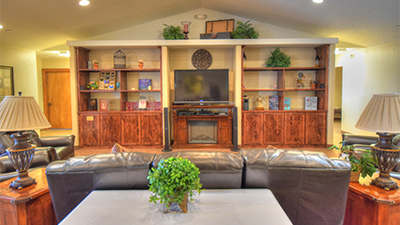
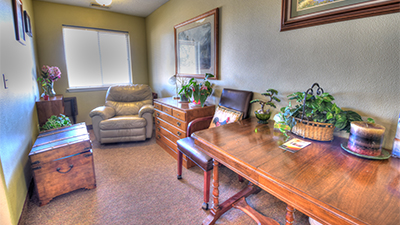
BeeHive Assisted Living Homes of Rio Rancho NM #1 - Dementia Care & Memory Care provides a home-like residential environment
BeeHive Assisted Living Homes of Rio Rancho NM #1 - Dementia Care & Memory Care creates customized care plans as residents’ needs change
BeeHive Assisted Living Homes of Rio Rancho NM #1 - Dementia Care & Memory Care assesses individual resident care needs
BeeHive Assisted Living Homes of Rio Rancho NM #1 - Dementia Care & Memory Care accepts private pay and long-term care insurance
BeeHive Assisted Living Homes of Rio Rancho NM #1 - Dementia Care & Memory Care assists qualified veterans with Aid and Attendance benefits
BeeHive Assisted Living Homes of Rio Rancho NM #1 - Dementia Care & Memory Care encourages meaningful resident-to-staff relationships
BeeHive Assisted Living Homes of Rio Rancho NM #1 - Dementia Care & Memory Care delivers compassionate, attentive senior care focused on dignity and comfort
BeeHive Assisted Living Homes of Rio Rancho NM #1 - Dementia Care & Memory Care has a phone number of (505) 221-6400
BeeHive Assisted Living Homes of Rio Rancho NM #1 - Dementia Care & Memory Care has an address of 204 Silent Spring Rd NE, Rio Rancho, NM 87124
BeeHive Assisted Living Homes of Rio Rancho NM #1 - Dementia Care & Memory Care has a website https://beehivehomes.com/locations/rio-rancho/
BeeHive Assisted Living Homes of Rio Rancho NM #1 - Dementia Care & Memory Care has Google Maps listing https://maps.app.goo.gl/FhSFajkWCGmtFcR77
BeeHive Assisted Living Homes of Rio Rancho NM #1 - Dementia Care & Memory Care has Facebook page https://www.facebook.com/BeeHiveHomesRioRancho
BeeHive Assisted Living Homes of Rio Rancho NM #1 - Dementia Care & Memory Care has a YouTube Channel at https://www.youtube.com/@WelcomeHomeBeeHiveHomes
BeeHive Assisted Living Homes of Rio Rancho NM #1 - Dementia Care & Memory Care won Top Memory Care Homes 2025
BeeHive Assisted Living Homes of Rio Rancho NM #1 - Dementia Care & Memory Care earned Best Customer Service Award 2024
BeeHive Assisted Living Homes of Rio Rancho NM #1 - Dementia Care & Memory Care placed 1st for Assisted Living Communities 2025
People Also Ask about BeeHive Assisted Living Homes of Rio Rancho NM #1 - Dementia Care & Memory Care
What is BeeHive Homes of Rio Rancho Living monthly room rate?
The rate depends on the level of care that is needed (see Pricing Guide above). We do a pre-admission evaluation for each resident to determine the level of care needed. The monthly rate is based on this evaluation. There are no hidden costs or fees
Can residents stay in BeeHive Homes of Rio Rancho until the end of their life?
Usually yes. There are exceptions, such as when there are safety issues with the resident, or they need 24 hour skilled nursing services
Does BeeHive Homes of Rio Rancho have a nurse on staff?
No, but each BeeHive Home has a consulting Nurse available 24 – 7. if nursing services are needed, a doctor can order home health to come into the home
What are BeeHive Homes of Rio Rancho visiting hours?
Visiting hours are adjusted to accommodate the families and the resident’s needs… just not too early or too late
Do we have couple’s rooms available?
Yes, each home has rooms designed to accommodate couples. Please ask about the availability of these rooms
Where is BeeHive Homes of Rio Rancho located?
BeeHive Homes of Rio Rancho is conveniently located at 204 Silent Spring Rd NE, Rio Rancho, NM 87124. You can easily find directions on Google Maps or call at (505) 221-6400 Monday through Friday 9:00am to 5:00pm
How can I contact BeeHive Homes of Rio Rancho?
You can contact BeeHive Assisted Living Homes of Rio Rancho NM #1 - Dementia Care & Memory Care by phone at: (505) 221-6400, visit their website at https://beehivehomes.com/locations/rio-rancho, or connect on social media via Facebook or YouTube
Residents may take a trip to the Turtle Mountain Brewing Company. The Turtle Mountain Brewing Company offers a relaxed dining atmosphere suitable for assisted living, senior care, elderly care, and respite care family meals.